
● ECONOMICS
Economics of Strategic Materials Recovery
Converting bauxite residue from a waste liability into a portfolio of high-value materials — without new mining.
OVERVIEW
Bauxite residue is often treated as a long-term waste liability. Our model converts it into a revenue-generating resource by recovering multiple valuable material streams from every tonne processed. The opportunity is simple: turn an existing industrial waste stockpile into critical minerals, industrial inputs, and measurable environmental value.
Indicative gross revenue per tonne processed
Indicative gross margin per tonne
Modelled gross margin
Target commercial-scale processing capacity
THE CORE ECONOMIC LOGIC
Multi-Product Recovery Model
Every tonne of bauxite residue contains a mix of recoverable materials, including rare earth oxides, scandium, titanium dioxide, iron oxide, alumina, silica-rich materials, and other mineral fractions. Instead of relying on a single product stream, the economics are supported by a multi-product recovery model — where several outputs contribute to total value.
Indicative modelled value per tonne processed
| Metric | Indicative Value |
|---|---|
| Gross product revenue | ~$257 / tonne |
| Operating cost | ~$114 / tonne |
| Gross margin | ~$143 / tonne |
| Gross margin percentage | ~56% |
| Net platform margin after refinery share | ~$105 / tonne |
Figures are indicative model estimates and depend on feedstock composition, recovery rates, reagent costs, energy costs, and market prices.
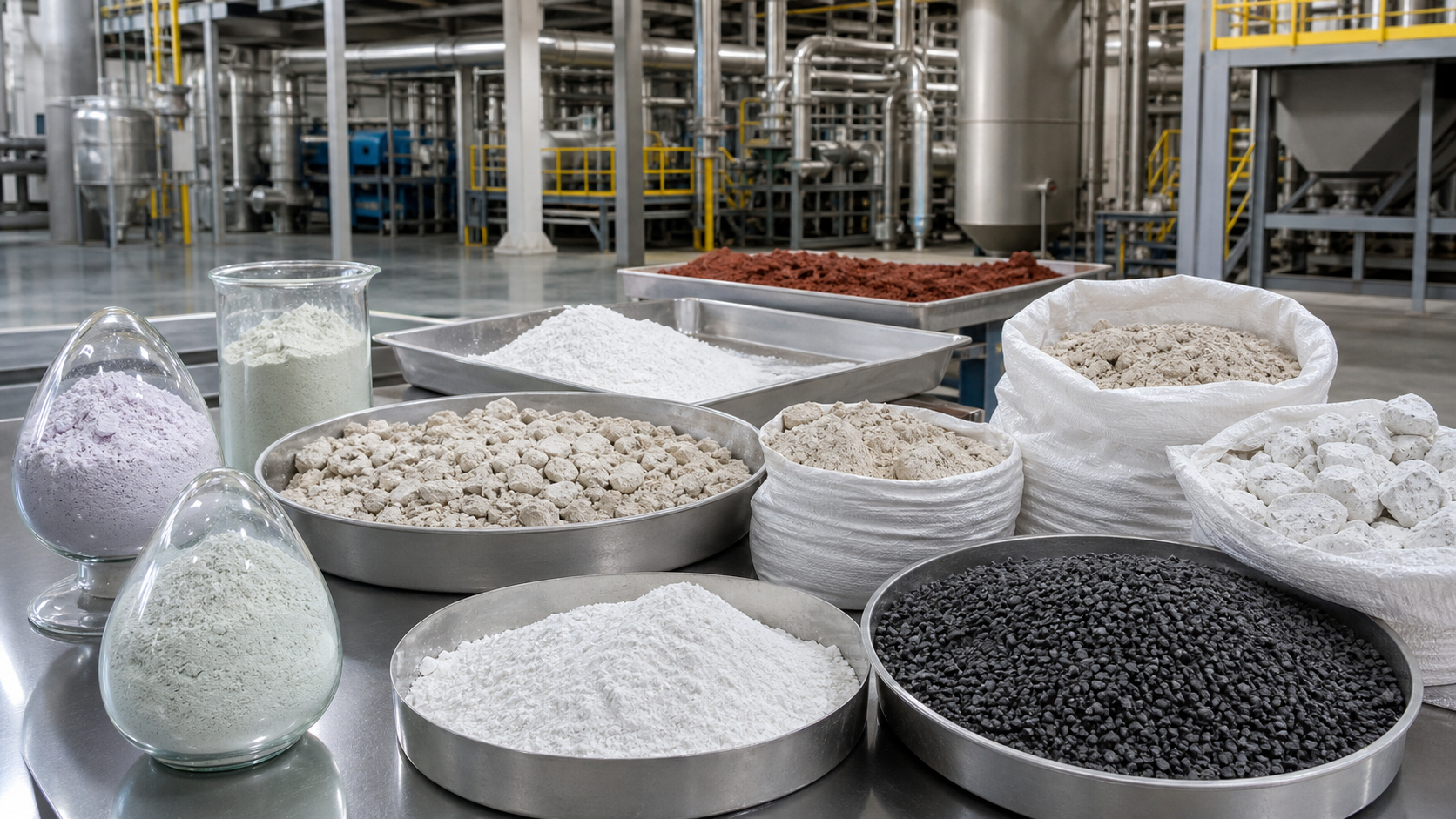
VALUE STACK
Recovered Material Streams
Four primary output streams contribute to the multi-product economics of each tonne processed.
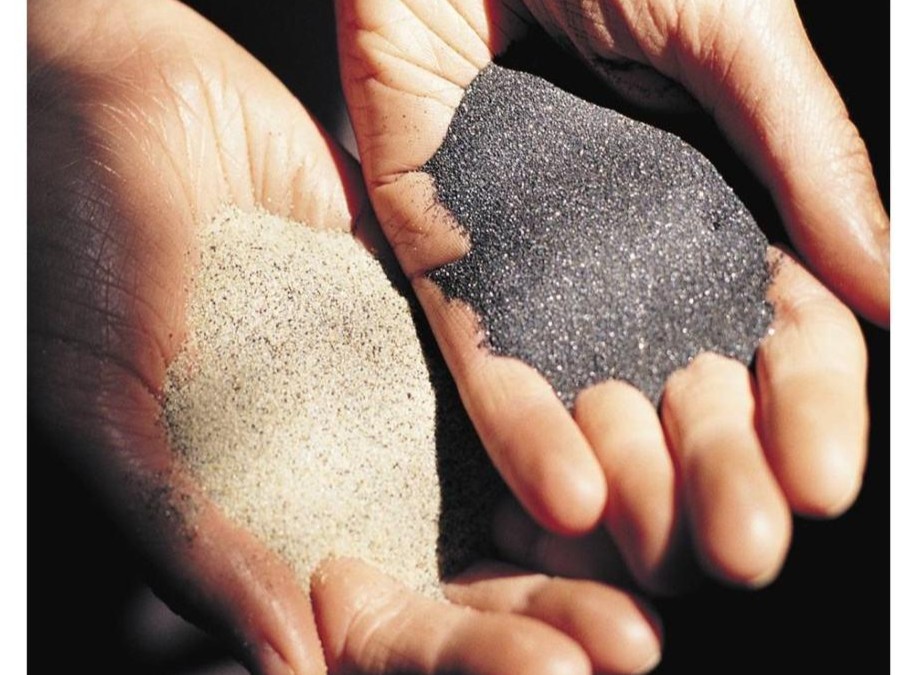
HIGH VALUE
Rare Earth Oxides
Critical inputs for magnets, electronics, energy systems, and defence applications.
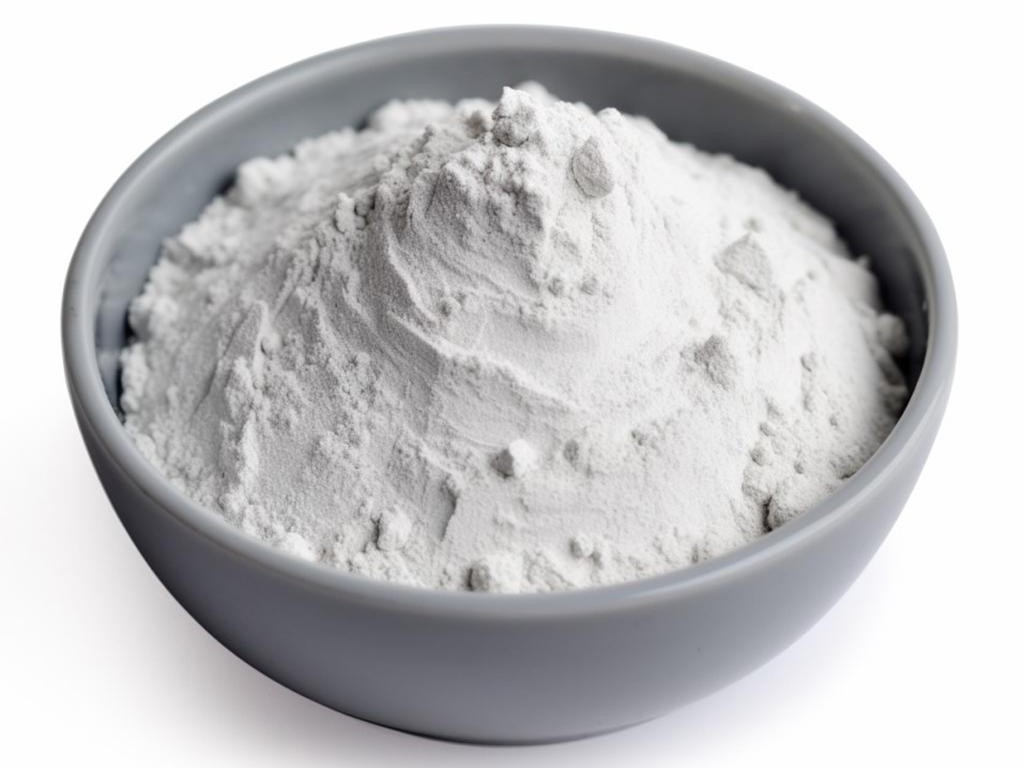
HIGH VALUE
Scandium Oxide
High-value material used in advanced alloys, aerospace, and next-generation industrial applications.
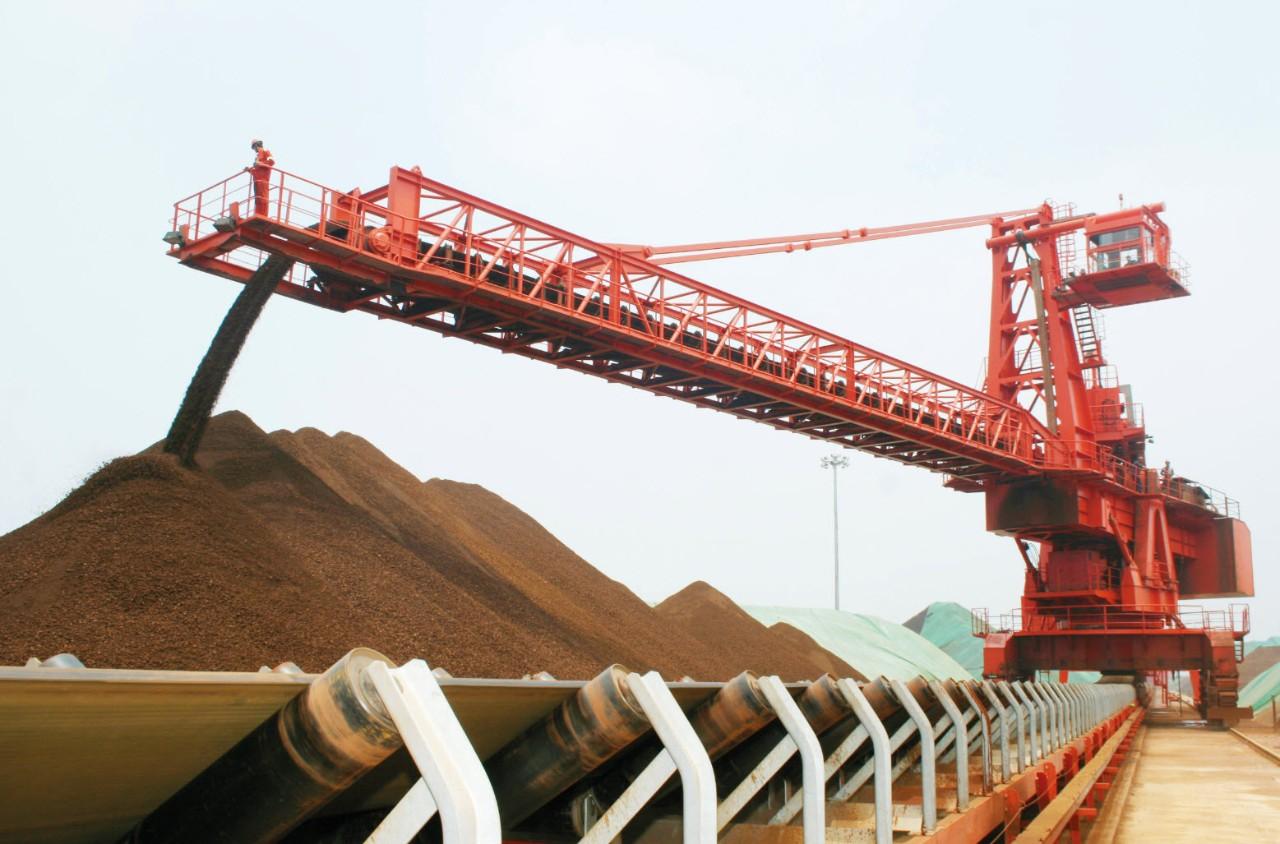
VOLUME REVENUE
Titanium & Iron-Rich Materials
Industrial product streams that add volume-based revenue and improve total recovery economics.

BY-PRODUCT
Alumina & Mineral Fractions
Additional by-products that support broader waste-to-resource conversion.
WHY THE ECONOMICS ARE ATTRACTIVE
Four Structural Advantages
No new mining cost
The feedstock already exists as bauxite residue. This removes many of the major cost, permitting, and environmental challenges associated with primary mining.
Multiple revenue streams
The project is not dependent on only one commodity. Revenue can come from rare earth oxides, scandium oxide, titanium dioxide, iron-rich materials, alumina, and other recovered mineral outputs.
Waste liability becomes an asset
For alumina refineries, bauxite residue storage is a long-term environmental and land-use challenge. Processing this residue can reduce liability while creating new economic value.
Scalable plant economics
The model is designed to begin with a demonstration-scale facility and then scale toward commercial processing capacity. As throughput increases, fixed costs are spread across a larger material base.
COMMERCIAL SCALE SNAPSHOT
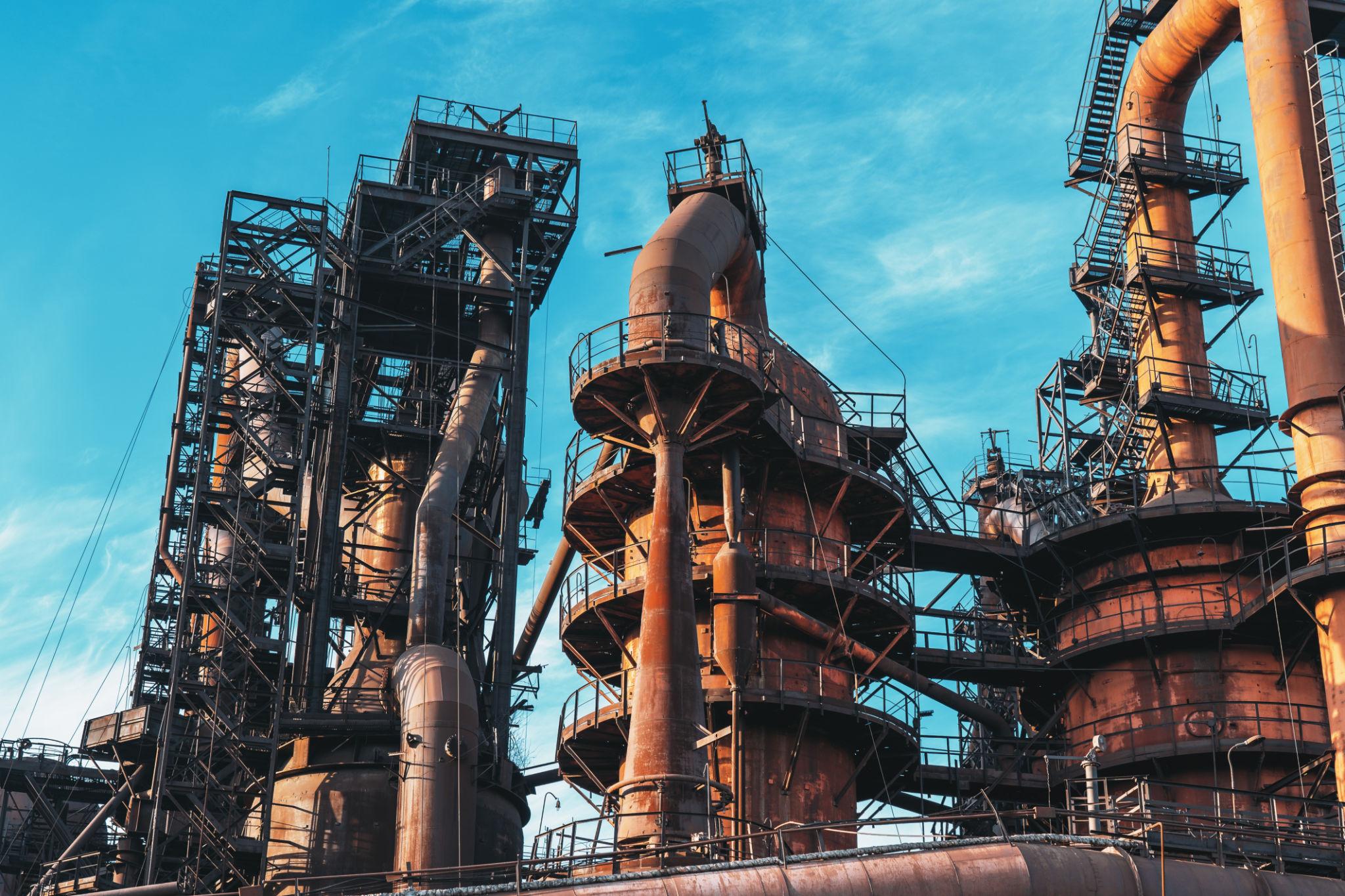
Processing up to 1 Million Tonnes per Year
As utilisation rises, fixed operating costs are absorbed over a larger production base — creating powerful operating leverage.
WHAT DRIVES VALUE
Key Economic Drivers
The most important variables shaping platform performance and margin at scale.
Recovery Rate
Higher recovery of rare earths, scandium, titanium, and iron-rich fractions improves revenue per tonne.
Product Pricing
Rare earth and scandium pricing can materially affect upside economics.
Reagent & Energy Cost
Chemical inputs and utilities are key cost components that directly impact operating margin.
Plant Utilisation
Higher utilisation has a direct impact on EBITDA because fixed costs are spread across more processed tonnes.
Refinery Partnership Structure
Revenue-sharing with the feedstock owner can align incentives while still leaving meaningful margin for the recovery platform.
ECONOMIC IMPACT BEYOND REVENUE
Three Dimensions of Value
The project creates value in three interconnected ways — financial, environmental, and strategic.
Financial Value
Recovered materials generate revenue from an existing waste stream, creating direct economic returns from what was previously a cost centre.
Environmental Value
Processing bauxite residue can reduce long-term storage burden and support waste remediation across existing refinery sites.
Strategic Value
Recovered rare earths, scandium, titanium, and iron-rich materials can support domestic supply chains for advanced manufacturing, clean energy, defence, aerospace, and industrial applications.
CIRCULAR ECONOMY MODEL