● ESG & CIRCULAR ECONOMY
Converting a Permanent Environmental Liability into Measurable Environmental Value
WASTE-TO-VALUE
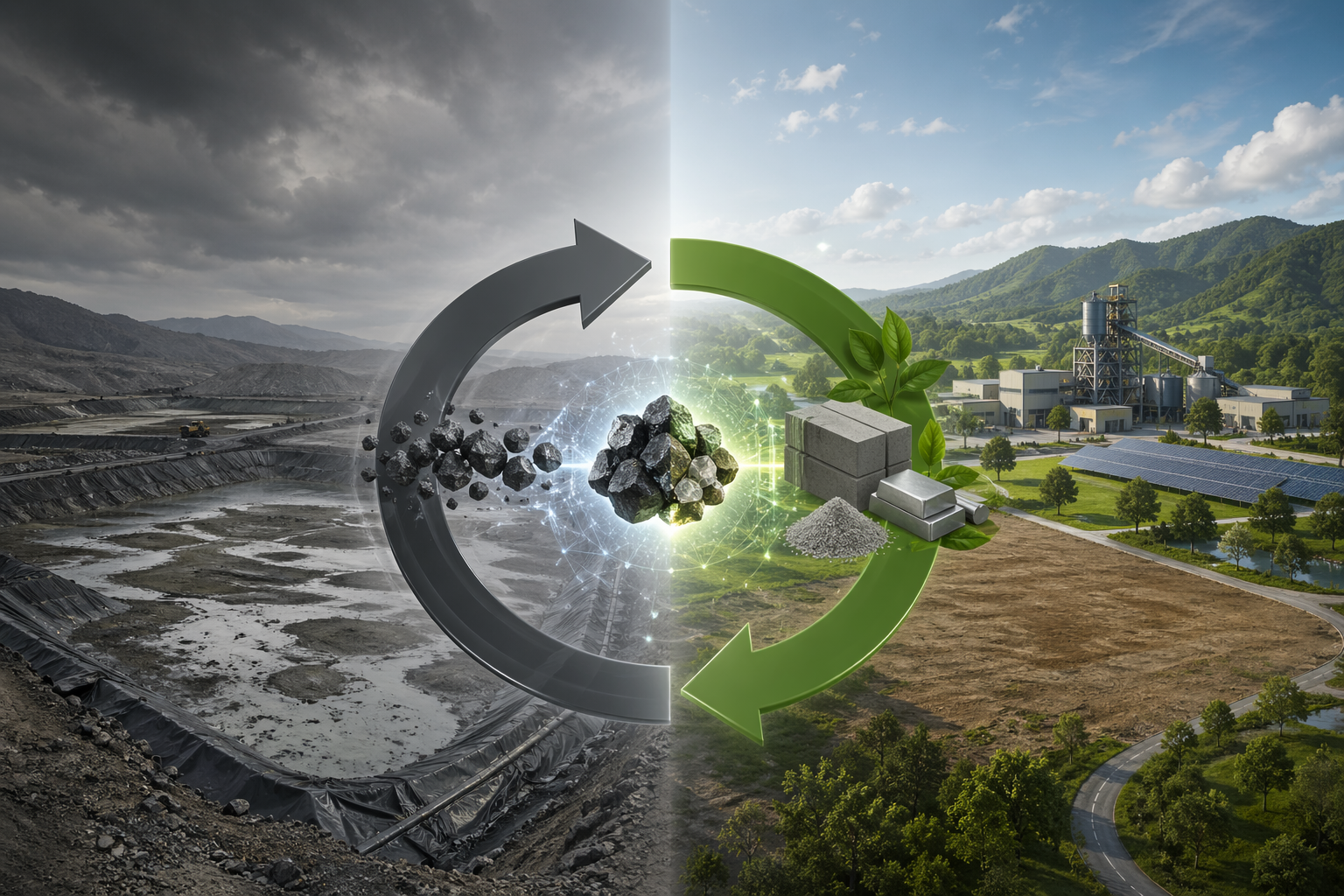
Zero Tailings. Zero Net Accumulation.
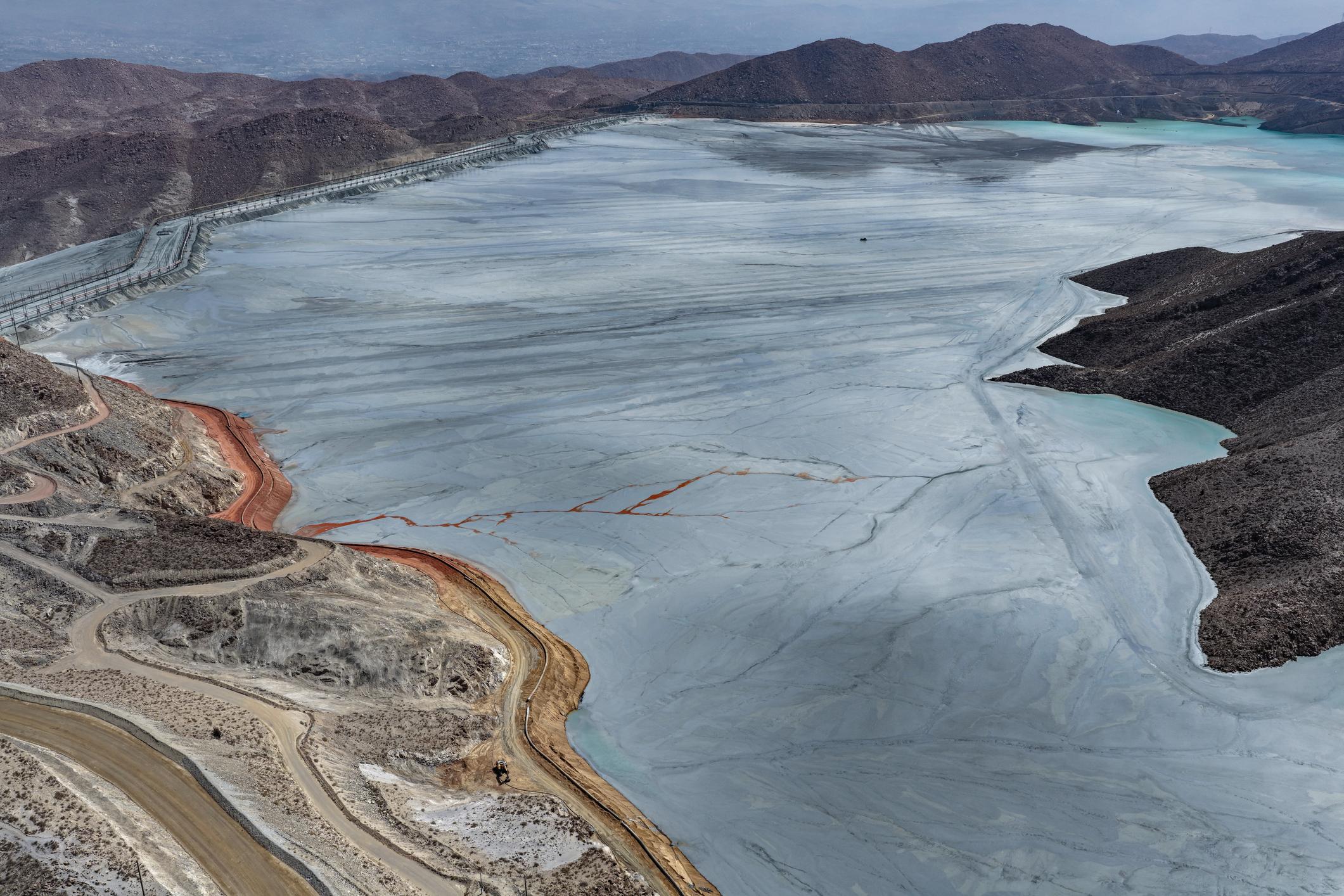
Globally, more than 4 billion tonnes of rare earth sit in engineered ponds, representing long-term containment risk and lost land utility. We permanently remove rare earth from storage.
Complete Conversion
Recovering critical minerals and converting the remaining matrix into stable industrial materials.
Impact Reduction
Eliminating ongoing monitoring costs, mitigating long-term containment risks, and returning zero material to ponds.
ENVIRONMENTAL IMPACT PILLARS
Physical Remediation In Action
PILLAR 01
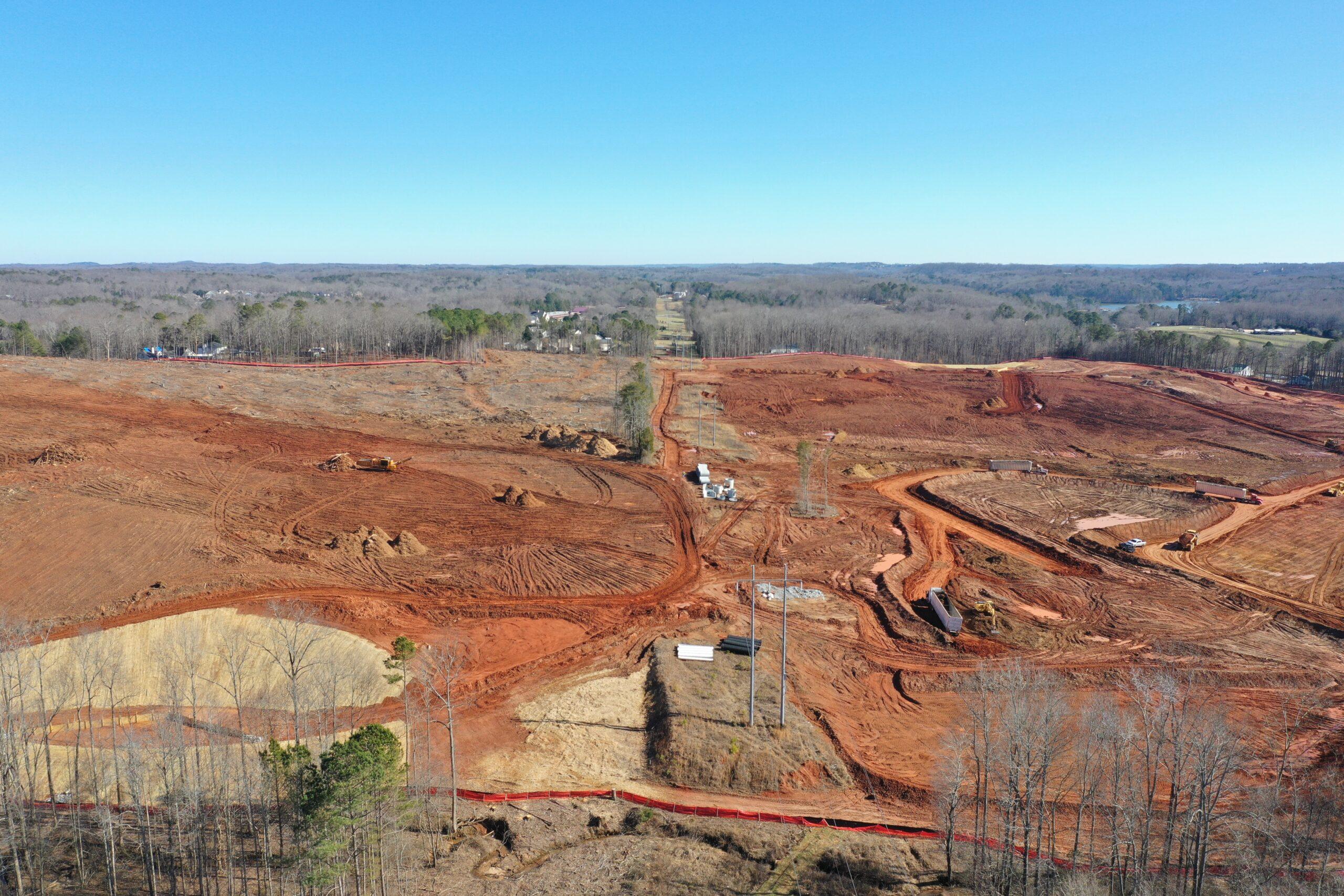
Land Reclamation
Each tonne processed permanently reduces stored residue volume, emptying legacy ponds.
- Releases locked industrial land
- Reduces tailings dam failure risk
- Eliminates groundwater exposure
PILLAR 02
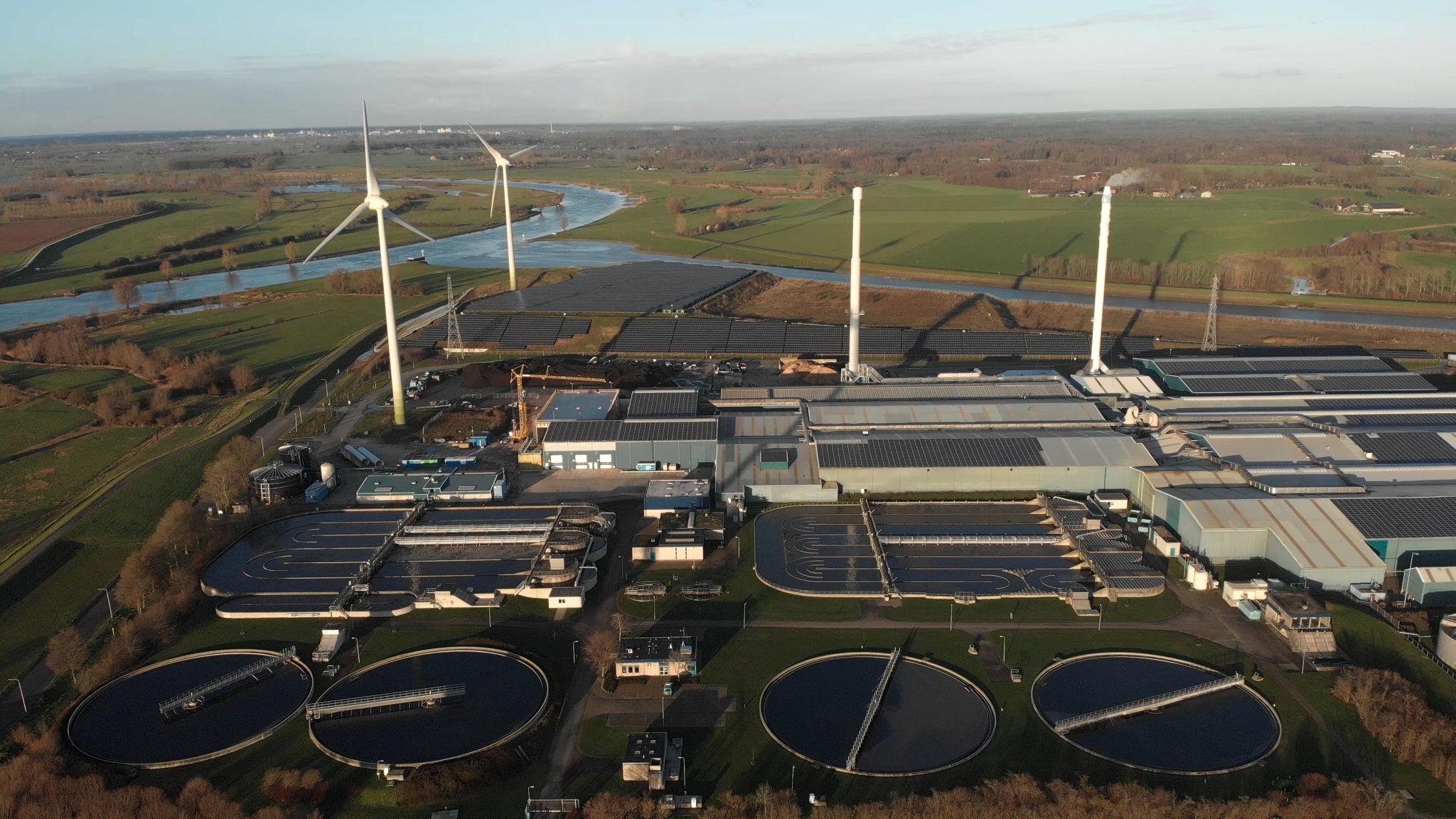
Closed-Loop Water
Integrated water recovery with zero continuous liquid discharge to the environment.
- Internal closed-loop reuse
- Reduced freshwater draw
- Lower hydraulic pressure on ponds

PILLAR 03
Carbon Avoidance
Operating below 100°C disables emissions tied to roasting, smelting, and new mining.
- No high-temp combustion needed
- Avoids intensive 1000°C refining
- Bypasses primary mining footprint
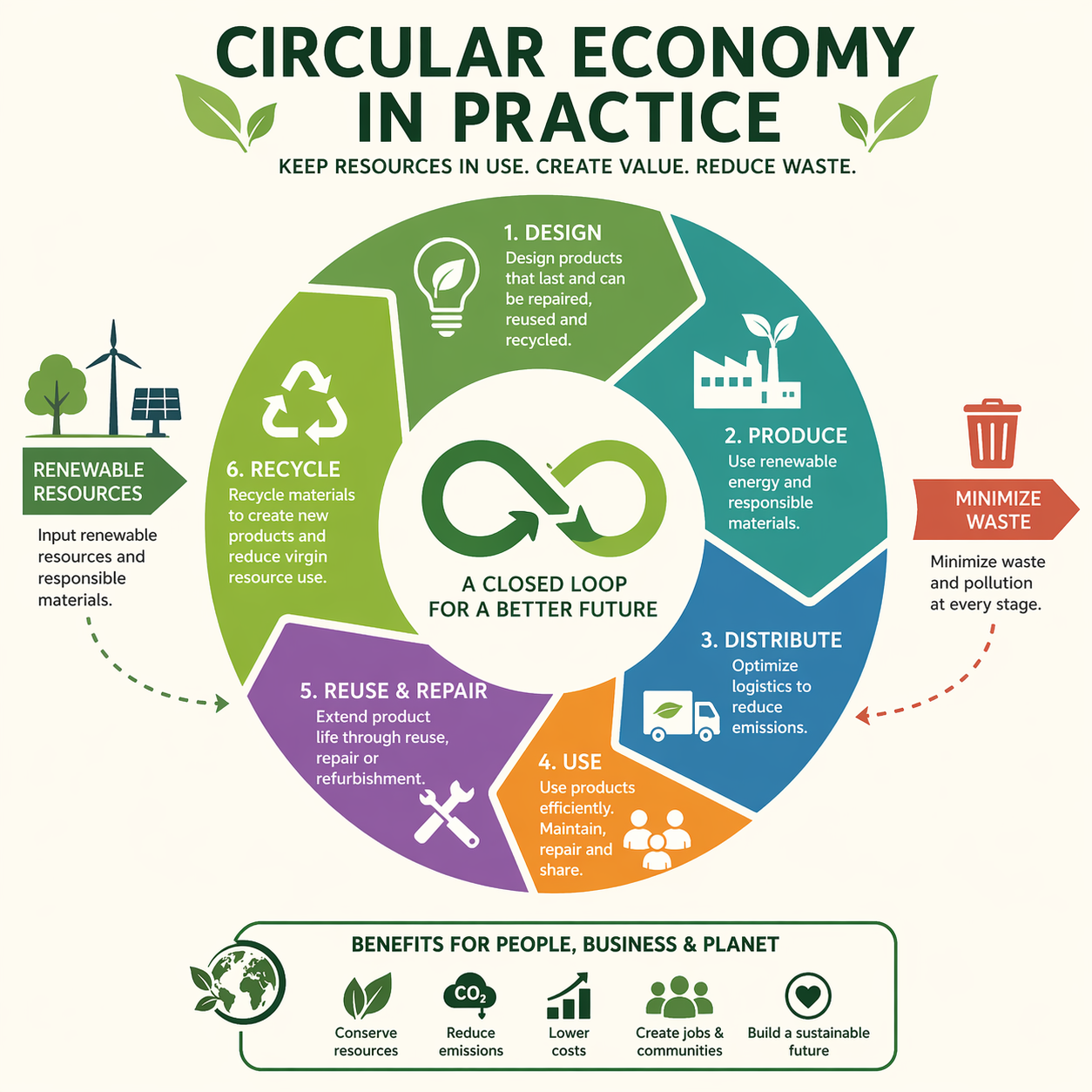
CIRCULAR ECONOMY IN PRACTICE
Not Just Theory, But A Profitable Reality
Unlike partial-use pathways (cement blending, road fill), this platform utilizes 100% of incoming material—generating multiple product streams including Scandium, REEs, Titanium, and Iron Oxides.
Industrial Symbiosis
Aligning directly with circular economy mandates and extended producer responsibility logic.
Economics of Zero-Waste
Creating a highly profitable project that is significantly more cost-effective than continuous storage and escalating environmental fines.
This is not waste management.
It is permanent environmental risk removal—monetized through critical materials.
GOVERNANCE & REPORTING
Community & Regulatory Confidence
Delivering physical, measurable KPIs—not estimates—suitable for direct integration into ESG disclosures, sustainability reports, and lender monitoring frameworks.